Baseball Glove Webbing Patterns and How to Choose
By Eric Bonneman ·
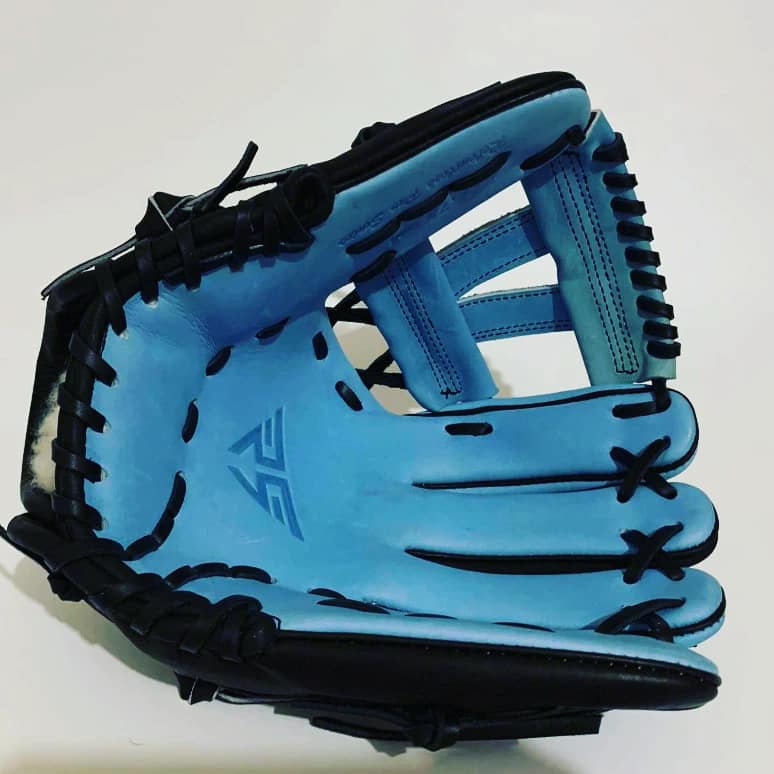
Baseball glove webbing is the leather and lacing between the thumb and index finger. It helps form the catching area of the glove, and its design affects how open or covered that area is. The web is one part of the glove's construction, alongside the palm, fingers, heel, and pocket.
When comparing baseball glove webbing patterns, start with the position you play and the way you want the glove to handle the ball. Then compare the web within a glove that fits your hand. Two gloves can share the same web style and still feel very different because their size, shape, materials, and break-in are different.
Baseball Glove Webbing Patterns at a Glance
These are six common designs you will see when shopping for a fielding glove. The position suggestions describe common uses. They are starting points for comparison, and individual glove models may suit additional positions.
| Web pattern | How to recognize it | Common uses |
|---|---|---|
| I-web | A central leather strip with crosspieces that form an I-shaped, open design. | Infield gloves, especially for players who prioritize clean exchanges. |
| H-web | Two upright leather sections joined by a crossbar, with openings between them. | Outfield and infield gloves, including third-base patterns. |
| Basket web | Interwoven leather strips that create a covered, basket-like surface. | Pitching and some general fielding gloves. |
| Two-piece closed web | Two leather panels joined to provide broad coverage across the web. | Pitching and selected infield patterns. |
| Trapeze web | A central leather strip connected to the glove by lacing along its sides. | Commonly found on outfield gloves. |
| Modified trapeze web | A trapeze-style design with an added leather crosspiece across the top. | Infield, outfield, and pitching models, depending on the complete pattern. |
Open Web vs Closed Web
Open and closed describe broad categories of web construction. H-webs and I-webs are examples of open designs, with visible gaps between the leather sections. Basket webs and solid panel designs provide more coverage.
That distinction is especially useful for pitchers who want to keep their grip out of view. It is less useful as a shortcut for judging pocket depth. An open web can be part of a deep outfield glove, while a covered web can appear on a smaller fielding pattern.
Manufacturers also use different names for web variations. Compare the actual construction and the intended position of the glove, rather than assuming two similarly named webs will behave identically.
How the Main Webbing Patterns Differ
I-Web
An I-web has a central strip and horizontal crosspieces, leaving open areas on either side. It is a familiar choice on infield gloves, where getting the ball from glove to throwing hand is a frequent priority.
The useful comparison is how the whole glove presents the ball after a catch. If you are choosing an I-web for middle infield, check whether the pocket lets you locate the ball comfortably. A web label alone cannot guarantee a quick transfer, especially if the glove is too large for your hand or shaped differently from what you are used to.
H-Web
An H-web uses two upright leather sections connected by a horizontal piece. You will find it on outfield gloves and on infield models, including gloves designed for third base.
Its use across those positions illustrates why the complete glove matters. An H-web on a longer outfield pattern serves a different purpose from the same general style on a compact infield glove. Compare the glove's reach, pocket, and closure before deciding whether the H-web is the right choice for your role.
Basket Web
A basket web is made from interwoven leather strips. Those strips create a covered surface between the thumb and fingers, rather than the larger openings found in an H-web or I-web.
That coverage makes basket designs a common option for pitchers who want to conceal the ball and their grip. Basket webs also appear on other fielding gloves. Evaluate the fit and closure of the specific model instead of treating the basket pattern as suitable only for pitching.
Two-Piece Closed Web
A two-piece closed web uses joined leather panels to cover the space between the thumb and fingers. It is another option often associated with pitching, and it also appears on some infield gloves.
When comparing it with a basket web, look at the glove from both sides and consider how it closes around the ball. Both provide coverage, but the construction differs. The better choice is the one that works with the glove's overall shape and feels comfortable in your hand.
Trapeze Web
A traditional trapeze web has a central leather strip with lacing connecting it to the glove on both sides. It is often seen on outfield patterns, where players commonly prefer a larger glove and a deeper pocket.
If you are comparing a trapeze glove with an H-web outfield glove, consider where the ball settles and how the glove closes. Choose the complete pattern that feels secure and manageable. The web name does not tell you everything about the glove's reach or finished pocket.
Modified Trapeze Web
A modified trapeze adds a leather crosspiece across the top of the trapeze-style design. This gives it a different upper structure from the traditional version.
Modified trapeze webs appear on several kinds of gloves, including infield, outfield, and pitching models. Check the model's intended use and dimensions carefully. A modified trapeze on a shorter infield glove should not be evaluated as though it were the same glove as a longer outfield version.
Choosing Webbing for Your Position
Second Base and Shortstop
Start with a manageable infield pattern and a pocket that lets you find the ball consistently. An I-web is a common starting point, but other designs can work when the glove suits your hand and preferences.
When trying a glove, place a ball in the pocket and practice your normal exchange. Notice whether you can reach the ball comfortably or have to search for it. Use that observation to compare gloves, then confirm the feel through fielding practice when possible.
Third Base
At third base, consider how comfortably you can secure a hard-hit ball while still making a clean exchange. H-web infield patterns are one option to compare, along with other webs offered on suitable third-base gloves.
Pay attention to the overall pocket and how the glove feels when open. A larger glove is only useful if you can control it. If you also play a middle-infield position, consider how the same glove handles the exchanges you make there.
Outfield
Outfield gloves commonly combine extra length with a deeper pocket. H-web, trapeze, and modified trapeze designs are all options you may encounter.
Compare how each glove closes around the ball and whether its size feels manageable when you reach above your head or to either side. A web that looks appealing in a photo still needs to work with the glove's length, balance, and fit.
Pitcher
For a pitcher, coverage is an important consideration. Basket and two-piece closed webs are common choices because they help conceal the ball and pitch grip.
Evaluate the glove while using your usual set position. If you also play another defensive position, consider the fielding demands of that role as well. Web style is one part of the decision, and you should check your league's current glove requirements before finalizing a custom design.
First Base and Catcher
First basemen and catchers use mitts with construction specific to their positions. First-base mitts are shaped for receiving throws and scooping balls, while catcher's mitts have specialized padding and a receiving pocket.
Begin with the correct type of mitt, then compare the web options within that category. A web recommendation for an ordinary fielding glove is not enough to choose a first-base mitt or catcher's mitt.
What to Check Before You Commit to a Web
Once you have narrowed the choices, check the rest of the glove. The following details can change how a web feels in use.
- Size and hand fit. Check both the glove's dimensions and how securely your hand sits inside it. Use our baseball glove size chart and measurement guide as a starting point, then assess the fit of the actual model.
- Pocket and closure. Notice where the ball settles and how your thumb and fingers come together. The glove's overall pattern and the way it is broken in influence these details.
- Materials and feel. Compare the available leather options alongside the web. Our guide to cowhide and Japanese kip leather introduces two options offered by Relentless Sports.
- Preparation for play. Allow time to shape the pocket and become comfortable with the glove. Read our guide to breaking in and caring for your baseball glove before planning its first game.
What If You Play More Than One Position?
Start with the position you play most often, then identify what your second position requires. A player moving between shortstop and third base may compare infield patterns differently from someone alternating between the mound and outfield.
Write down the two or three things your glove must do well. That might mean concealing your grip when pitching, providing a manageable pocket for infield exchanges, or giving you comfortable reach in the outfield. Compare complete glove models against those needs instead of choosing a web first and hoping the rest works.
For younger players who rotate around the field, prioritize a secure fit and a glove they can control. A web style used by a favorite professional player is only helpful if the rest of the glove also suits the player wearing it.
Choose Your Pattern Before Your Colors
A custom glove gives you room to make the design your own. Begin with the position, size, fit, and pocket you need, then review the web options available for that model. Once those choices are settled, move on to colors and personalization.
Explore Relentless Sports custom baseball gloves to compare the available options. Use the webbing comparison above to narrow your choices, and check the selected model's details before completing your design.